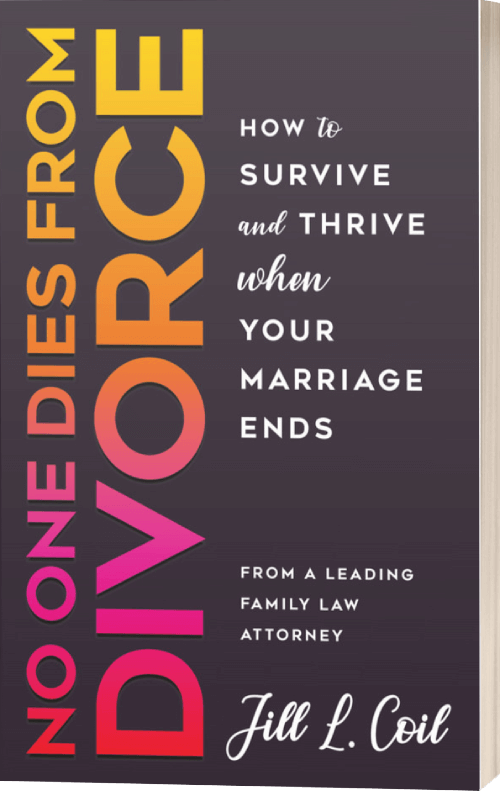

Need legal help with a domestic partnership or cohabitation agreement in Utah? Speak with a Salt Lake City domestic partnership attorney at CoilLaw today.
It’s Not All The Same
There are many reasons why a couple would choose to exist as a domestic partnership rather than getting married. But there is a distinct difference between people who are in a domestic partnership and people who are married when it comes to certain legal rights.
Call to Learn your Domestic Partnership Rights!
In Utah, domestic partnerships are generally not treated the same as marriages, and domestic partners are not provided any specific rights or benefits under Utah law. In contrast, spouses are afforded certain rights based solely on their status as a spouse.
Salt Lake City Mutual Commitment Registry
Domestic partners are generally not treated the same as married couples under Utah law, but the Salt Lake City does maintain a Mutual Commitment Registry, which is a domestic partnership registry that is open to all city residents. The Registry allows domestic partnerships to register their relationship.
Upon registering their domestic partnership, employers that choose to do so can provide a registered domestic partnership with certain employment benefits. Registration also affords domestic partners health care visitation rights at healthcare facilities located in Salt Lake City and provides domestic partners with access to facilities owned and operated by the city, in the same manner as offered to spouses or children.
Complete Form
Domestic partners who want to register on the Mutual Commitment Registry must complete the declaration form, have the form notarized, and pay a fee, and then will receive a certificate of registration. The domestic partners must:
- be at least 18 years of age
- have identification, and must provide documentation of their mutual commitment relationship (proof of a jointly held loan, mortgage, lease, life insurance policy, retirement accounts, bank accounts, or credit card accounts)
- live together
- complete a declaration form
 Domestic partners can also take themselves off of the Mutual Commitment Registry by filing a Notice of Termination signed by both domestic partners. Anyone in need of domestic partnership help in Salt Lake City should reach out to a domestic partnership lawyer who can help them register or terminate their registration as needed.
Call for a Domestic Partnership Lawyer?
Domestic Partnerships and Adoption
Domestic partnerships are also treated differently than marriages when it comes to the adoption of children in Utah. Utah law does not permit domestic partners to adopt, leaving adoption for only individual adults who are living alone, or married couples (whether the couple is comprised of spouses of the opposite sex or the same sex since same-sex marriage is now legal in Utah). Utah Code 78B-6-117(3) specifically regards “a person who is cohabitating in a relationship that is not a legally valid marriage under the laws of” Utah as a person who is ineligible to adopt a child.
We Will Help Protect Your Relationship
If you are in a domestic partnership relationship and you are interested in learning about ways to help protect your relationship and to provide for your domestic partner, you can reach out to domestic partnership lawyer Jill L. Coil to discuss what legal options are available to you and your partner. Contact the family law firm of CoilLaw, LLC today by calling (801) 884-3775 to schedule an appointment.
Blog Post Provided By:
CoilLaw, LLC
Sandy, Utah84094
Phone: (801) 884-3775